Marketing Automation for Web & Mobile
Hospitality at scale
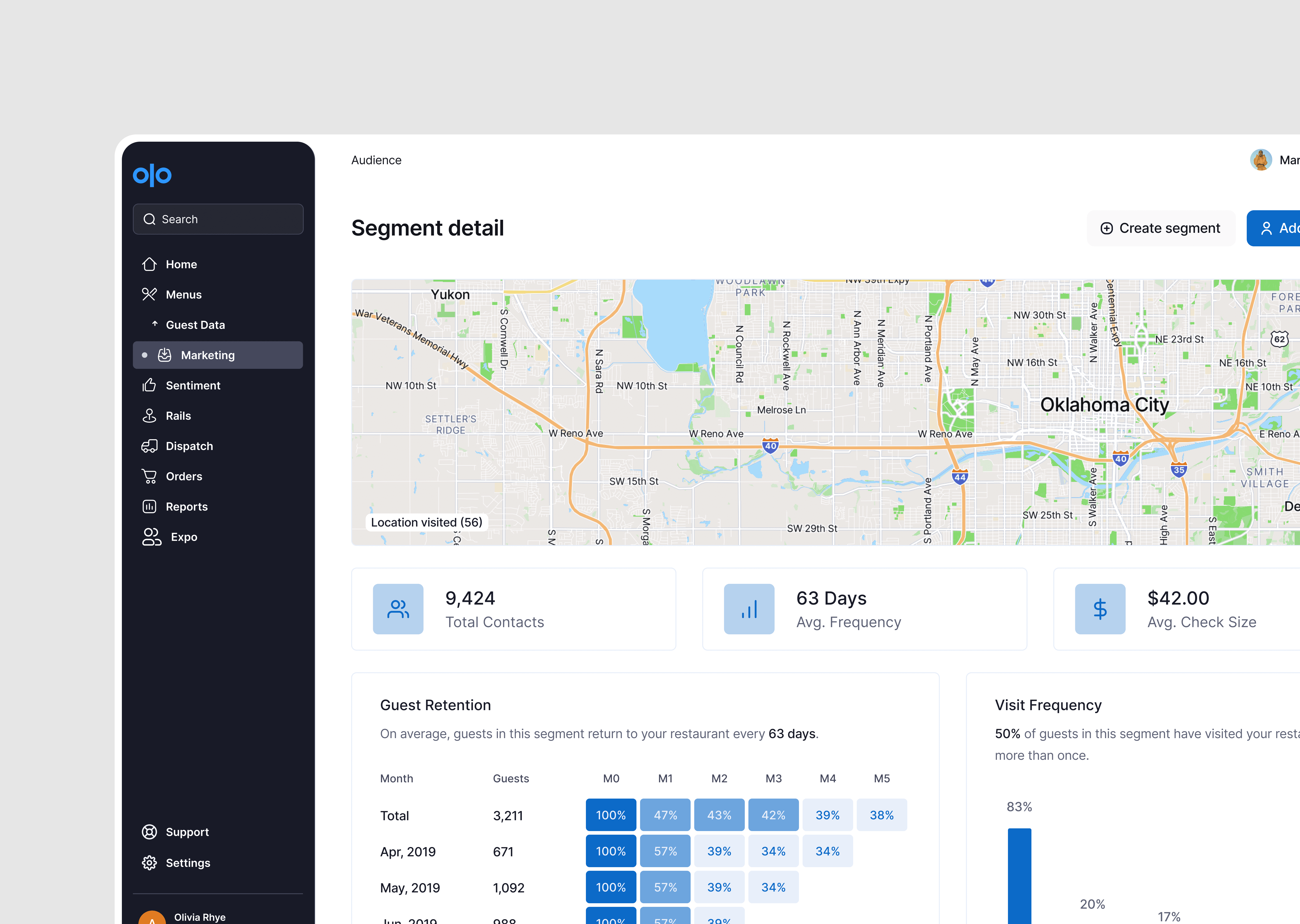
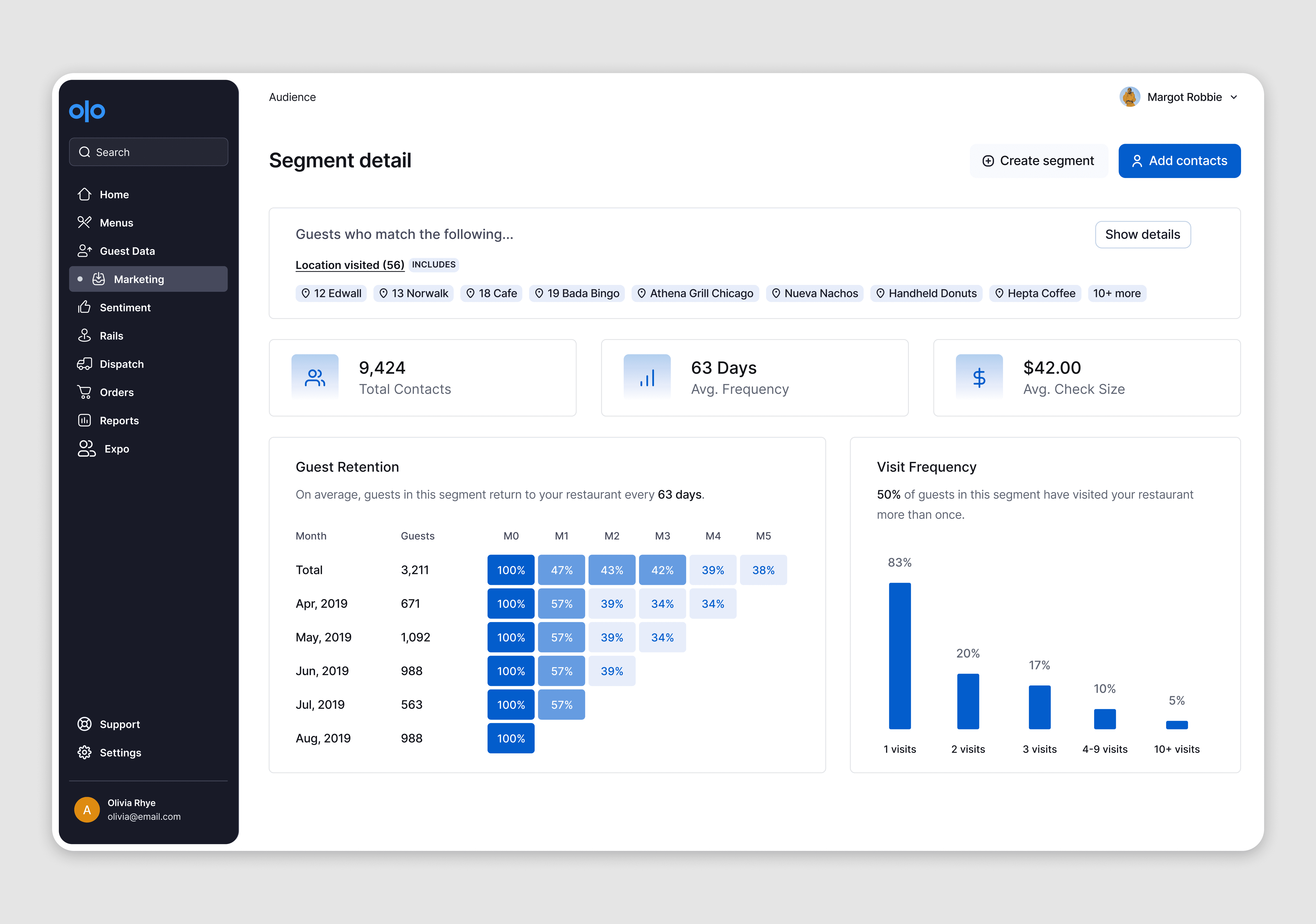
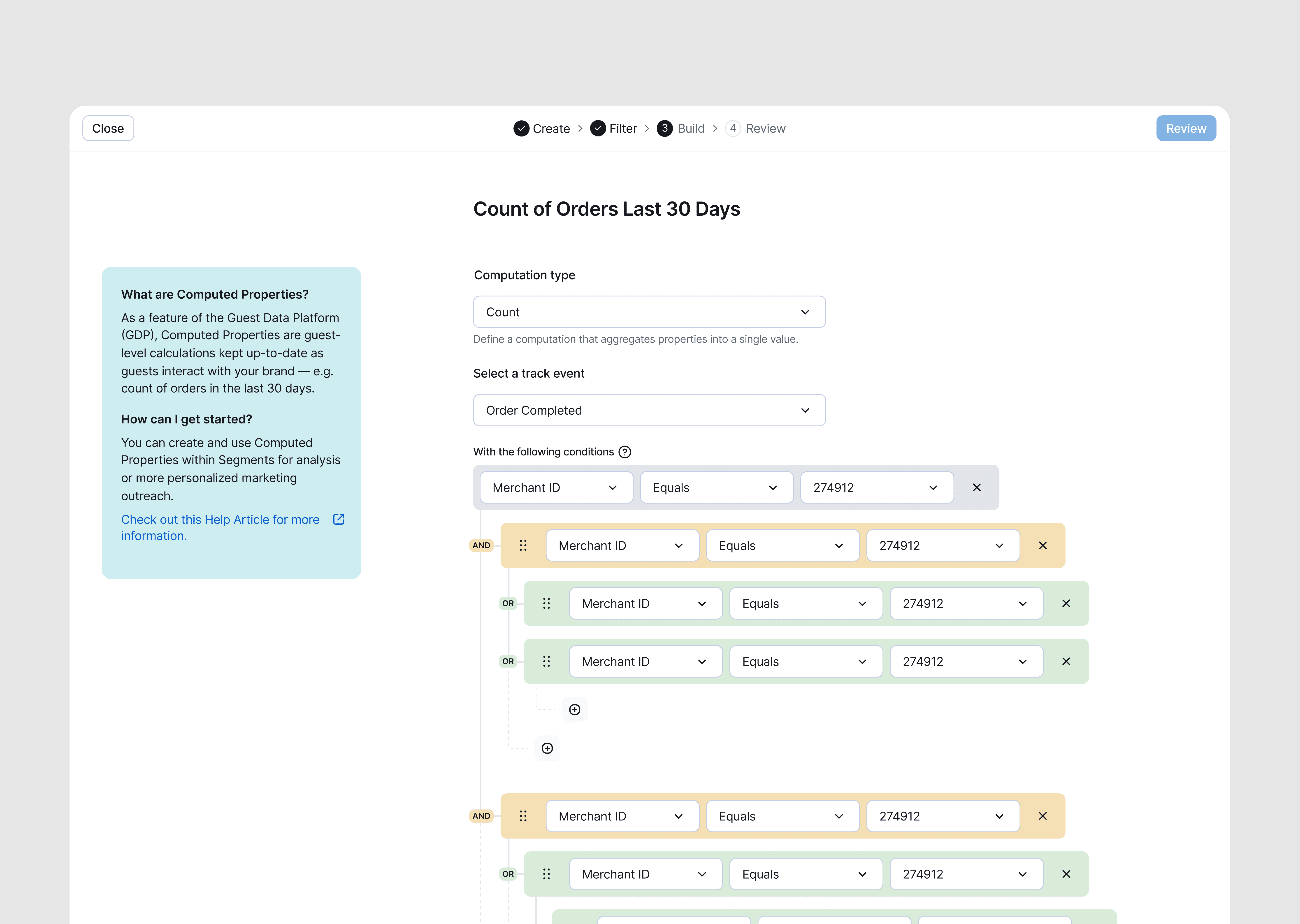
Optimized Olo’s existing marketing automation dashboard for better accessibility and workflow efficiency across mobile and web experiences.
Client
Olo
Type
Visual Identity
Year
2022
Problem
Summary
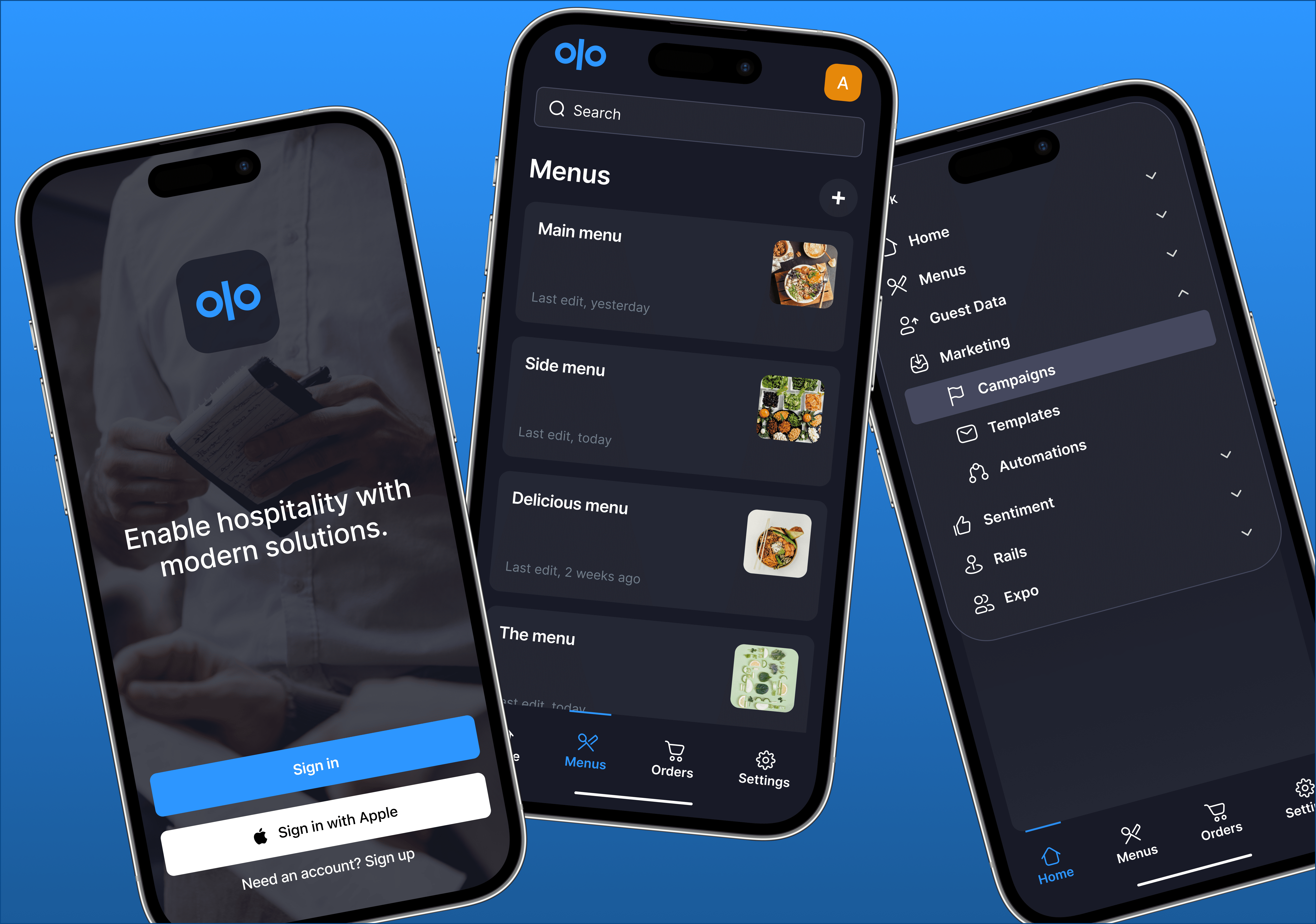
Olo’s guest-facing mobile and web experiences lacked a cohesive system for expressing brand, conveying context, and guiding guests through ordering and engagement flows. Inconsistent UI patterns and fragmented brand application made it difficult for users to confidently complete key actions, resulting in friction across acquisition, conversion, and retention moments.
Clarity & Understanding
Guests struggled to understand what actions were available, what state they were in, and what would happen next because visual hierarchy, component behavior, and messaging patterns were inconsistent across experiences. Brand expression varied by surface, which diluted clarity and made similar interactions feel unfamiliar from one flow to the next.
Discovery & Decision-Making
Menus, promotions, and personalized content lacked clear affordances and prioritization. Without consistent visual signals—such as emphasis, defaults, or recommended states—guests had to evaluate options without guidance. The absence of standardized components made it harder to communicate relevance, popularity, or intent through design alone.
Ownership & Support
When issues occurred, the experience did not clearly communicate ownership or responsibility. Brand cues, tone, and UI patterns were not consistently leveraged to set expectations or direct users to the appropriate support pathway, increasing confusion during already-frustrating moments.
Visibility & Control
Post-interaction feedback—such as confirmations, status updates, or system state—varied across platforms and brands. A lack of shared design patterns and state definitions reduced transparency, making it difficult for guests to trust that orders or actions were progressing as expected.
Systemic Gaps
At a platform level, the product lacked a unified guest-facing design system that could balance restaurant brand expression with consistent interaction patterns. Core components, states, and content models were not fully standardized, limiting Olo’s ability to scale new features, personalize experiences, or maintain quality across mobile and web surfaces.
User Impact
These gaps increased cognitive load, weakened brand trust, and created moments of friction at the most critical points of the guest journey. Inconsistency across experiences made the platform feel less reliable, reducing conversion confidence and diminishing long-term engagement.
Deliverables
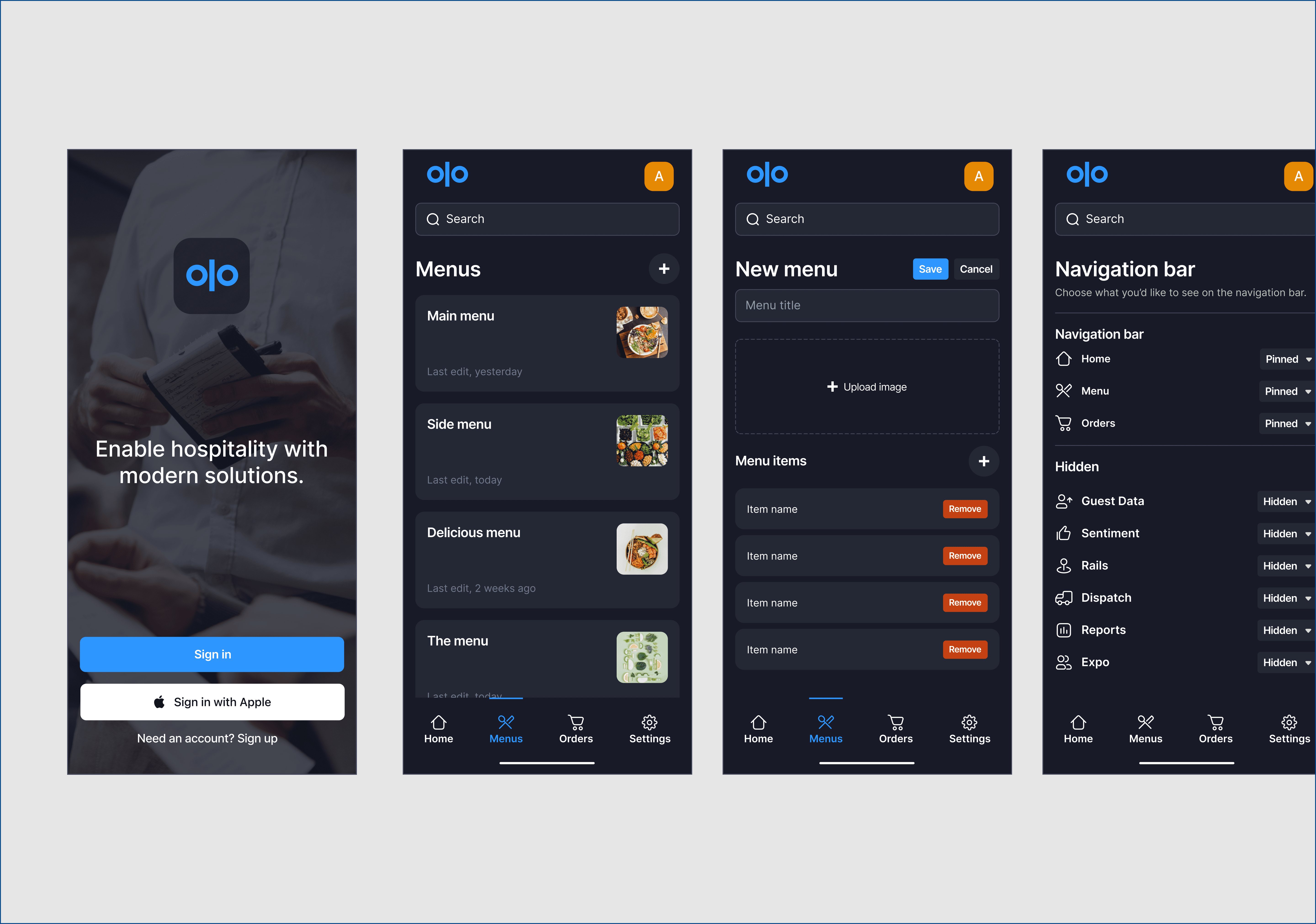
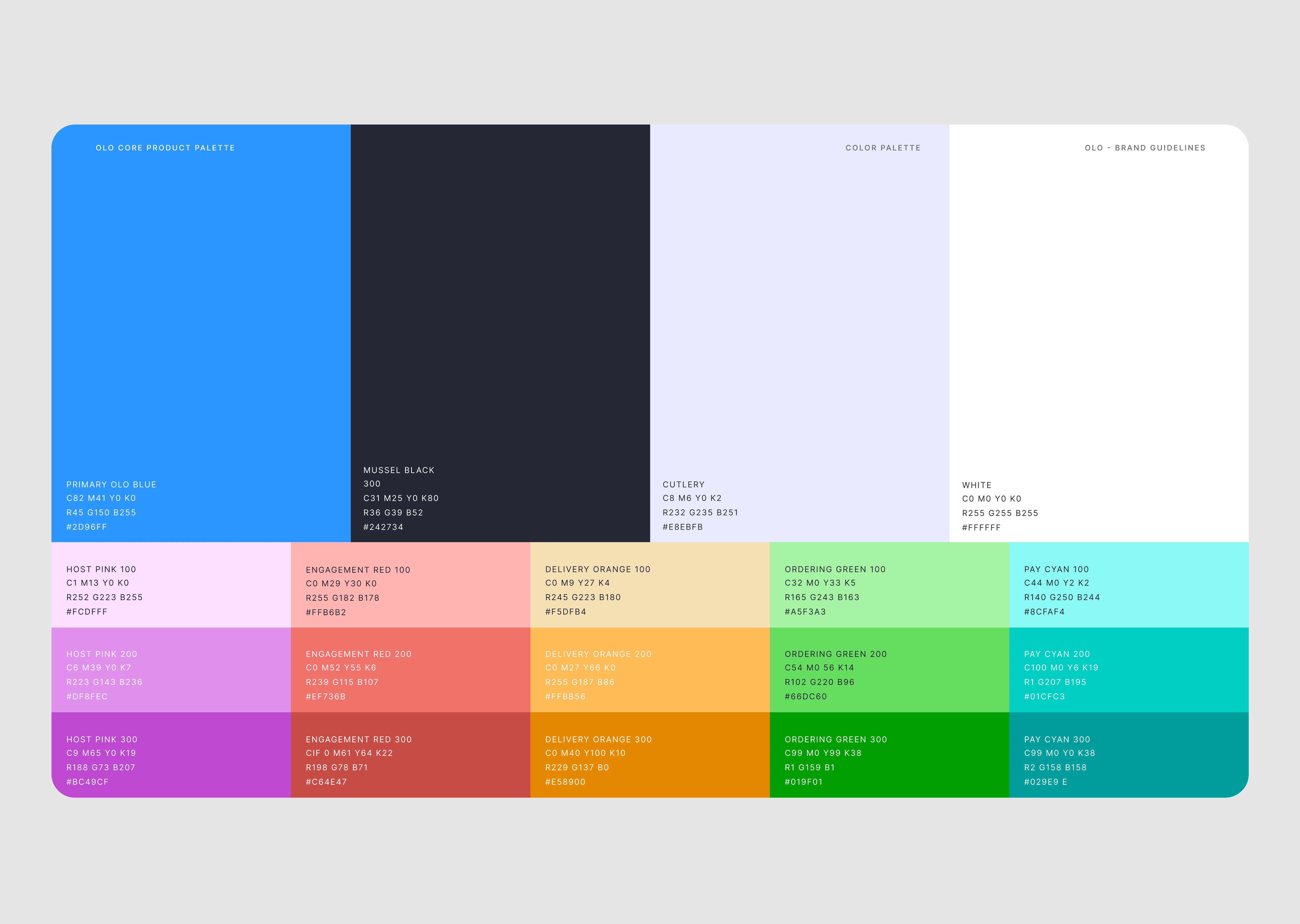
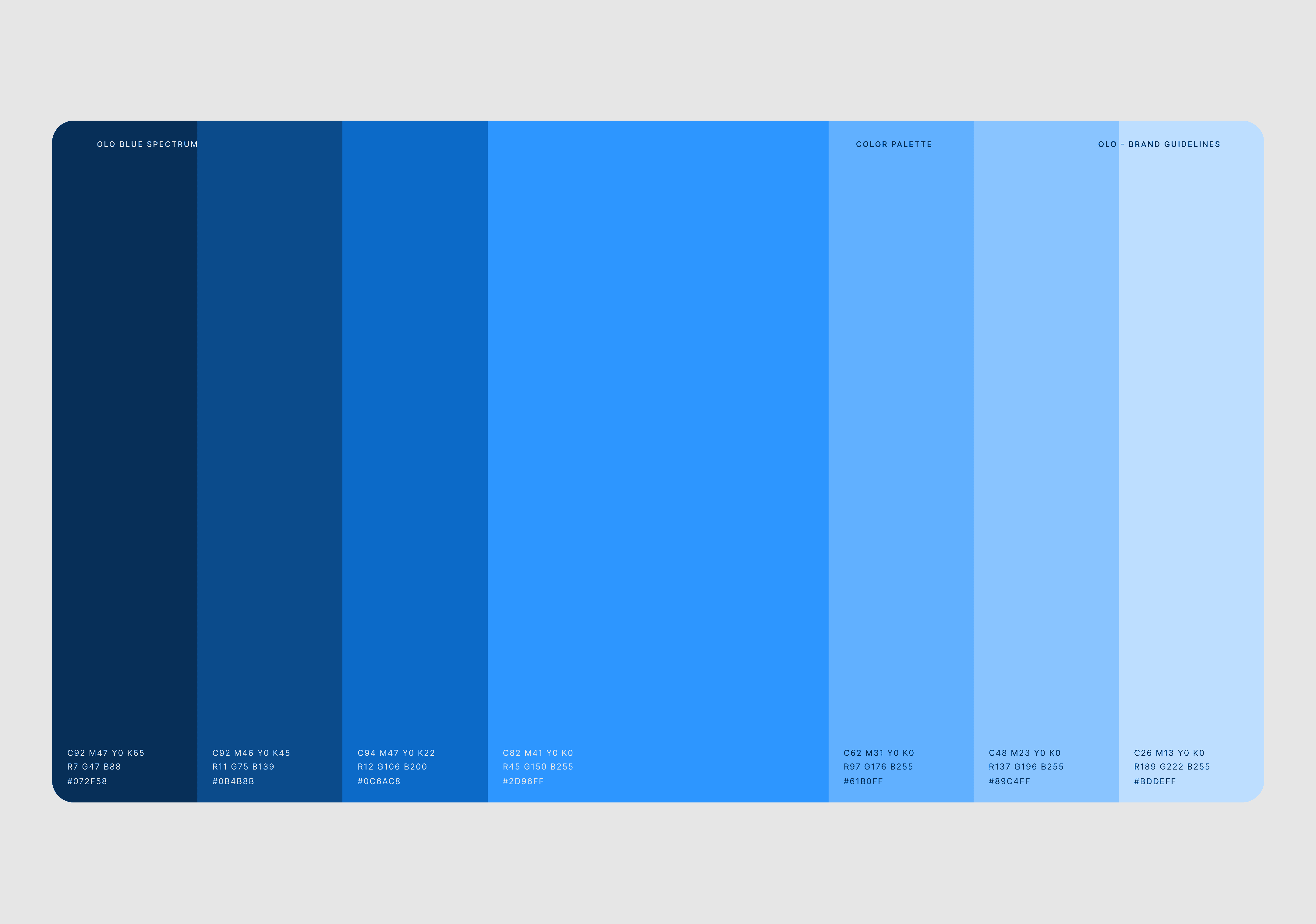
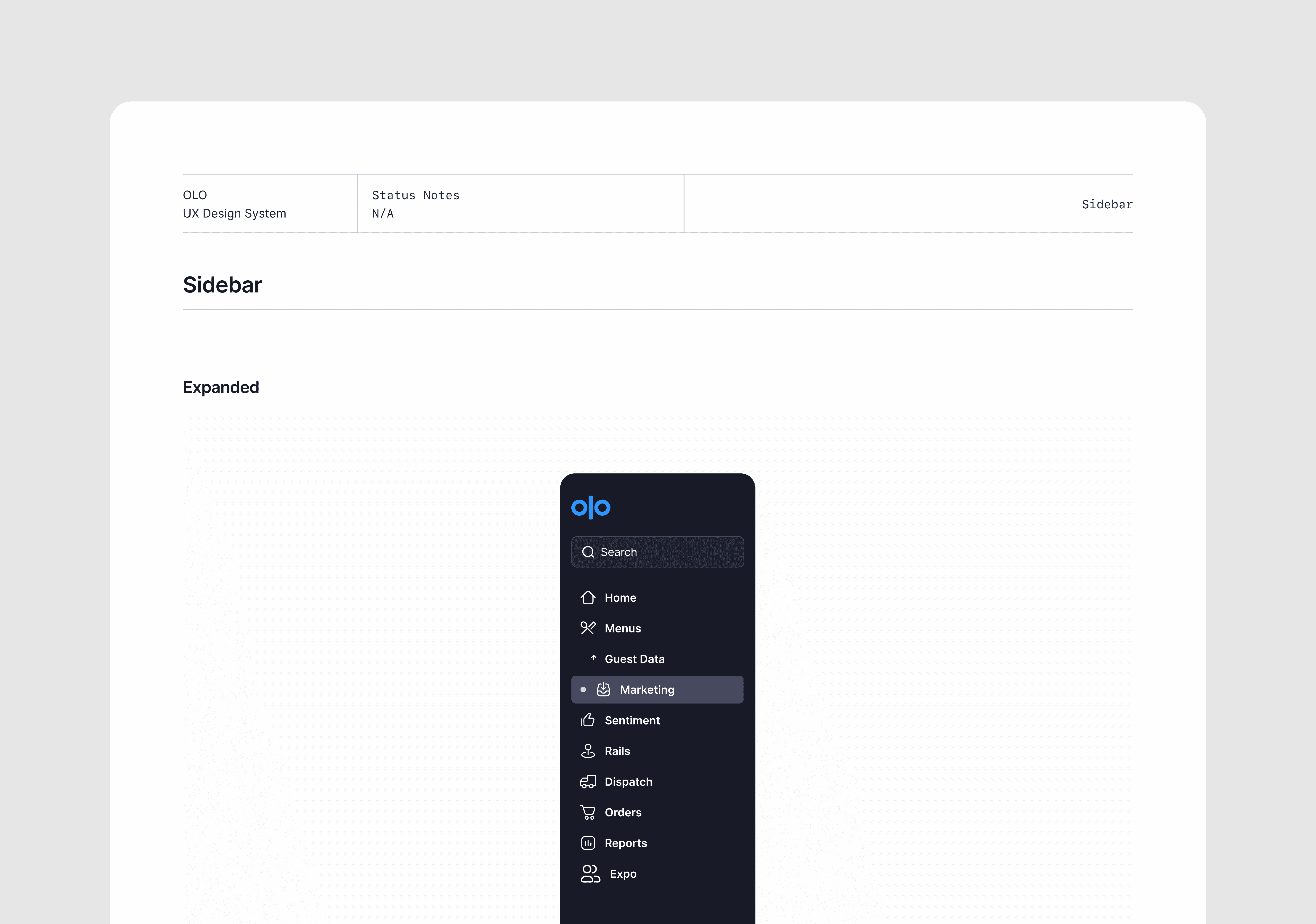
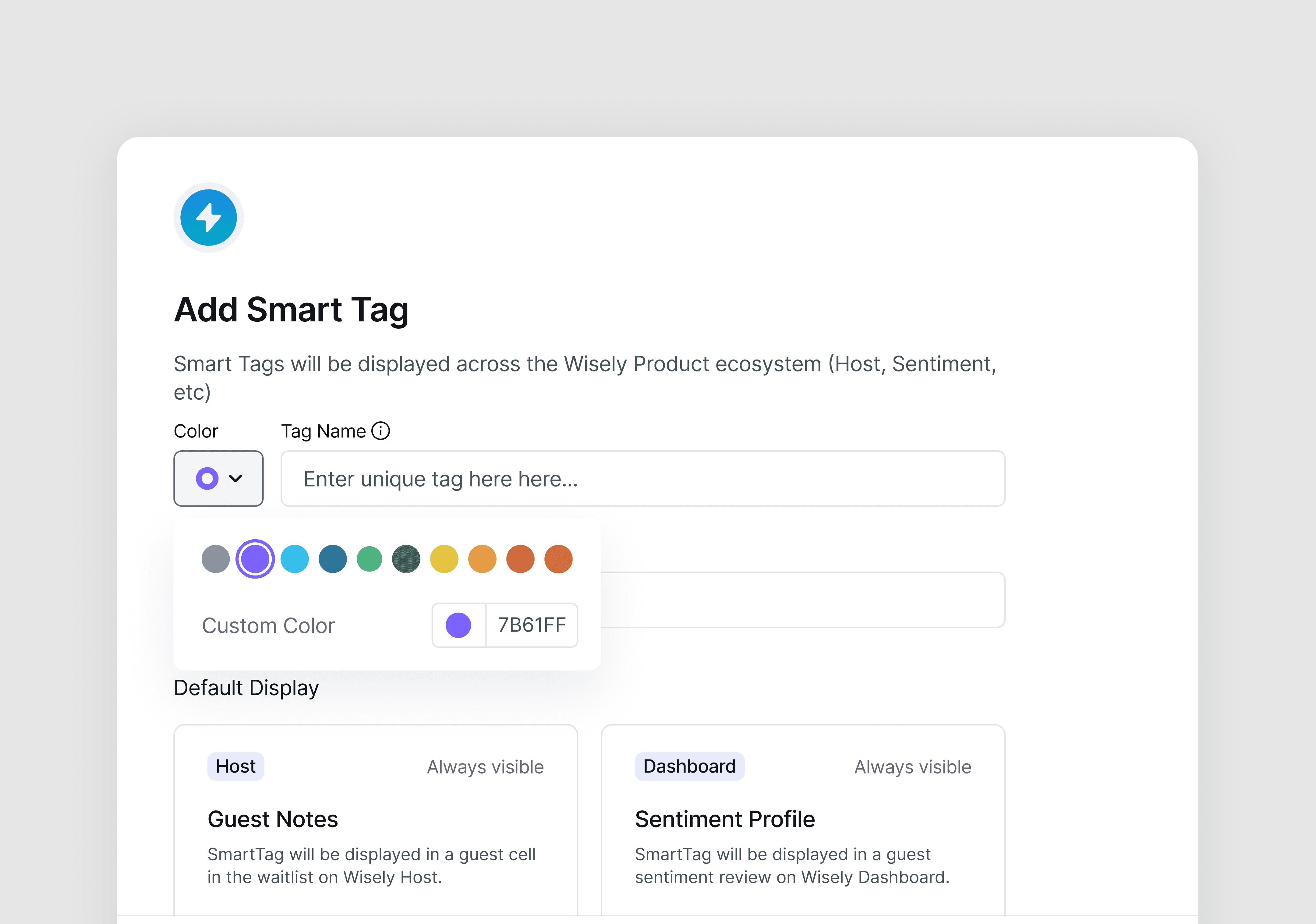
The work resulted in a more cohesive and scalable guest experience across mobile and web, where brand expression and usability reinforced each other rather than competing. By strengthening the underlying design system—standardizing core components, interaction patterns, and state behaviors—the platform was able to deliver clearer, more predictable experiences while still allowing restaurant brands to feel distinct and authentic.
This system-level foundation reduced fragmentation across surfaces and improved visual hierarchy at key moments in the guest journey, including discovery, checkout, and post-order feedback. Guests were better able to understand what actions were available, what state they were in, and what to expect next—building confidence during high-stakes interactions like ordering and fulfillment.
From an organizational perspective, the improved system created a shared language between design, product, and engineering. Teams spent less time re-solving the same problems and more time refining experience quality, enabling faster iteration and more consistent outcomes as the product scaled.